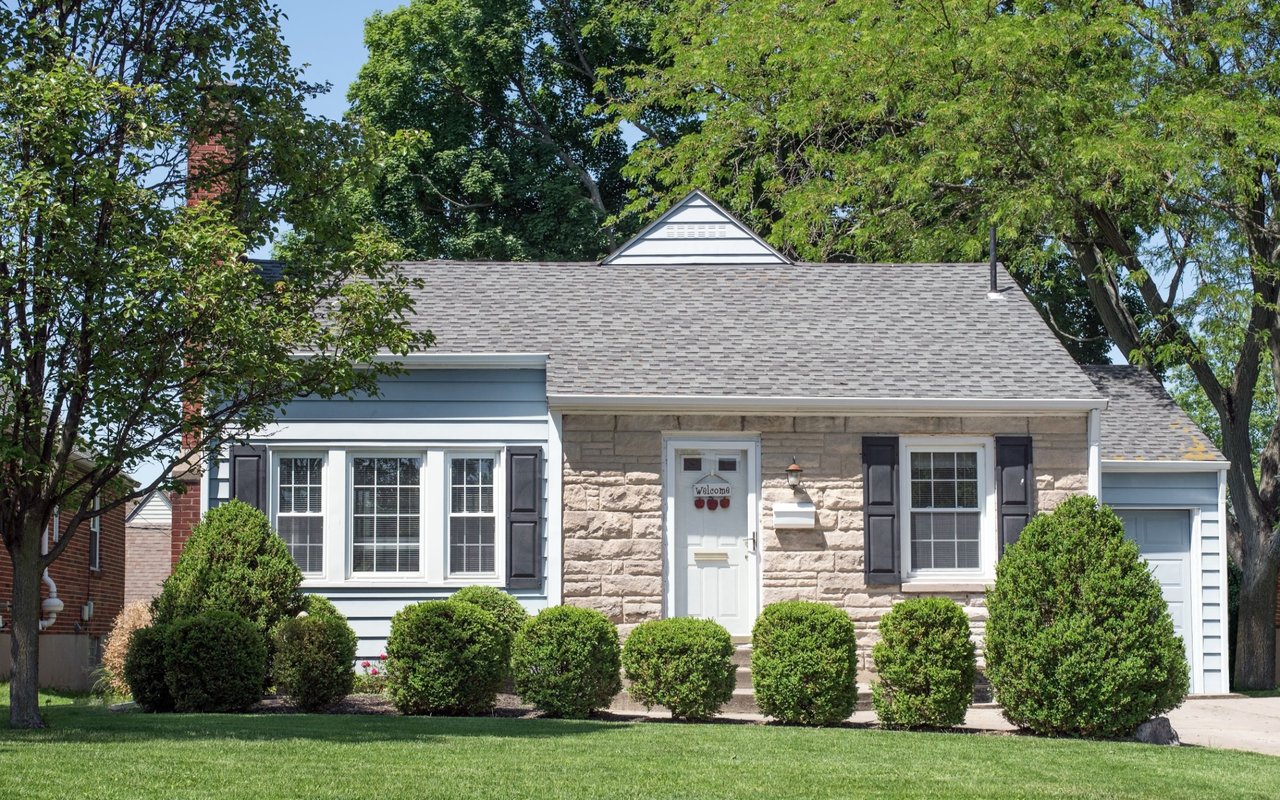
Chattanooga's Radon Zone Number Is Marketing. The Test in Your Contract Isn't.
Type "Chattanooga radon zone" into a search bar and you'll land on three different answers before you scroll past the first page.
One mitigation company's site puts Hamilton County in Zone 1, the highest risk category the EPA assigns. Another site, run by a different local inspection outfit, lists the county as Zone 3, the lowest. A third company averages two homeowner-submitted test results and presents that as a citywide reading. None of these numbers agree with each other, and only one source in this mix is an actual government agency.
That agency is the Chattanooga-Hamilton County Health Department. Its own environmental health data places Hamilton County in Zone 2, a moderate-risk designation with a predicted indoor average of 2 to 4 picocuries per liter. That's a number filed in a public county health report, not a number written to get you to book a service call.
The gap between what the county says and what some vendor pages say isn't really a data problem. It's an incentive problem, and once you see it, it changes what you should actually be checking before you close on a Chattanooga home.
The EPA's Map of Radon Zones sorts every county in the country into one of three tiers using older aggregate data: geology, aerial radioactivity readings, soil type, and the kinds of foundations common to the area. It's a planning tool. Building code officials use it to decide whether new construction in a given county needs radon-resistant features designed in from the start.
The EPA is explicit that the map should not be used to decide whether an individual home needs testing. Elevated readings turn up in houses located in all three zones, including the "low risk" Zone 3. A county-level average tells you almost nothing about the specific house you're standing in on a specific street in Red Bank, East Ridge, or anywhere else in the county.
That's worth sitting with, because it flips the marketing logic on its head. A company leading with "Chattanooga is Zone 1, the highest risk in Tennessee" is using a stat that, by the government's own description of the map, was never designed to predict what's happening in your basement.
A radon mitigation company has an obvious reason to reach for the scariest accurate-sounding number it can find. A moderate designation, described honestly, doesn't build the same urgency as "highest risk category." Rounding a county up a zone, or quoting a two-test sample as a citywide average, makes the pitch read stronger without technically inventing a threshold that doesn't exist.
None of this means Chattanooga homes are free of radon. Hamilton County sits inside East Tennessee's ridge-and-valley geology, where fractured limestone and shale shed off Signal Mountain, Lookout Mountain, and Missionary Ridge into the valley floor below. That geology is real, and it does produce elevated radon potential in parts of the county. It's also exactly why a countywide zone number is the wrong tool for a buyer standing in front of one house. One local radon mitigation company puts it plainly on its own site: a meaningful share of area homes test above the EPA's 4.0 threshold, some dramatically so, while the house next door tests at 1.0.
Which means your neighbor's clean test tells you nothing about your own house, and a company's zone claim tells you even less.
The map was built to guide policy for an entire county. It was never built to describe one address.
Here's the number that matters once you're under contract on a Chattanooga home: your own 48-hour continuous-monitor test, taken at the property, during your inspection period.
Tennessee purchase agreements customarily give buyers a 7 to 10 day inspection window after the contract is signed. A radon test fits inside that window, but the sequencing matters. Local inspection guides recommend scheduling within 24 to 48 hours of going under contract specifically to protect that window, because the monitor needs a full 48 hours running in the house before you even get a reading, and you still need days left afterward to actually negotiate anything the result turns up.
Most Chattanooga inspectors bundle radon testing into the same visit as the general home inspection for somewhere in the $125 to $205 range. Ordering it separately later typically costs more and eats into days you don't have to spare.
Once the result comes back, the EPA gives you two working thresholds to work from:
| Test Result | EPA Guidance | What It Usually Means at the Table |
|---|---|---|
| Below 2.0 pCi/L | No action needed | Rarely comes up again in negotiation |
| 2.0 to 4.0 pCi/L | EPA says "consider fixing" | Often a middle-ground ask: seller credit, split cost, or buyer accepts as-is |
| 4.0 pCi/L or higher | EPA action level | Standard ask: seller installs a mitigation system or credits the cost before closing |
A mitigation system for a typical Chattanooga foundation runs $900 to $2,500 depending on whether the house sits on a basement, crawlspace, or slab, and most installers finish the work in about a day. A properly installed sub-slab depressurization system cuts radon levels by 80 to 99 percent, and a follow-up test confirms it worked. Compared to the weight a "Zone 1, highest risk in the state" headline puts on a first-time buyer, the actual fix is fast, priced, and routine.
It's also not a one-time question. The EPA recommends retesting every two years, and it's worth doing again after any renovation that changes how air moves through the house, since a finished basement or new ductwork can shift a reading that was fine at closing.
Buyers rarely walk away from a Chattanooga home because of the house itself. They walk away when new information surfaces late and changes how they're pricing risk, especially when there isn't enough time left in the contract to resolve it calmly. A radon number that shows up on day 8 of a 10-day window, with no time left to get a mitigation quote, creates exactly that kind of pressure on both sides of the table.
If you're preparing to list, a pre-listing radon test takes that variable off the clock before it ever becomes a late-stage negotiation. A clean result becomes something you can hand a buyer's agent directly. A high result gives you time to get a system installed on your own schedule instead of reacting to someone else's deadline.
The zone number that shows up in a Google search is a starting point for a conversation, not a fact about your specific house. The number that belongs in a Chattanooga purchase agreement is the one from a 48-hour test run at that address, inside the inspection window your contract actually gives you. Everything else, the competing zone claims, the two-test city averages, the "elevated zone" language on a mitigation company's homepage, is marketing built on a real government dataset stretched past what it was designed to say.
Does a high radon reading kill a Chattanooga sale? Rarely on its own. A mitigation system is inexpensive relative to most other repair categories and typically installs in about a day, so a high reading is usually resolved as a seller credit or a pre-closing install rather than a terminated contract.
Can I order the radon test before my official inspection period technically starts? Buyers commonly bundle it into the same visit as the general home inspection, scheduled right after the contract is signed. Doing it early preserves days in your contingency window in case the result needs a follow-up conversation with the seller.
If I'm selling, should I test before listing? A pre-listing test turns radon into a known quantity you control the timeline on, instead of an unknown a buyer discovers with only a few days left to negotiate.
If you're weighing a purchase or a listing in Chattanooga and want a second set of eyes on what a specific inspection report actually means for your timeline, Ricky Streeter is happy to walk through it with you. Let's Connect.
Whether you're buying, selling, or investing, I’m here to guide you every step of the way. Contact me today!
Get In Touch With Our Team To Learn More