In Lakesite, the Garbage Truck Runs on Sales Tax
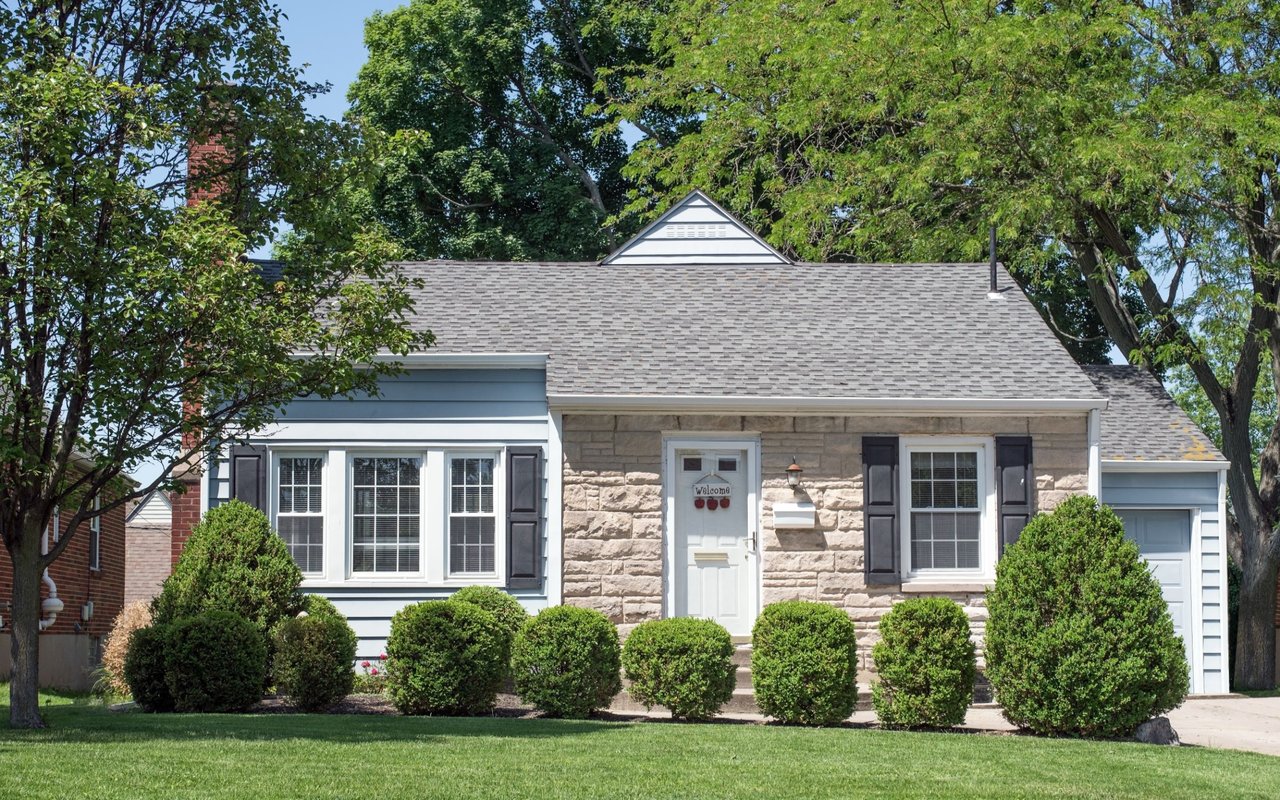
Picture two houses a few minutes apart, both with the same "Hixson, TN 37343" on the mailbox, both appraised at $400,000. In 2026, one owes the county and the City of Chattanooga about $3,446 in property tax. The other sits inside the City of Lakesite and owes about $1,649. Same mail carrier, same zip code, and a gap of roughly $1,800 a year on the tax bill.
The mailing address hides that difference. The way Lakesite pays its bills explains it. The city collects less in property tax than it spends on trash pickup, and shoppers along Hixson Pike cover most of the rest.
"Hixson" is a postal name, not a city. A 37343 address can sit inside the City of Chattanooga, inside the separately incorporated City of Lakesite, or in unincorporated Hamilton County. The Hamilton County Trustee's 2026 rate sheet puts the county rate at $1.5157 per $100 of assessed value for every parcel. Lakesite adds $0.1336. Chattanooga adds $1.9300.
Tennessee assesses residential property at 25 percent of appraised value, so a $400,000 house is taxed on $100,000, according to the Tennessee Comptroller. Here's that same house under each 2026 rate:
| Where the parcel sits | 2026 combined rate per $100 assessed | Annual tax on a $400,000 appraisal |
|---|---|---|
| Unincorporated Hamilton County | $1.5157 | $1,515.70 |
| City of Lakesite | $1.6493 | $1,649.30 |
| City of Chattanooga | $3.4457 | $3,445.70 |
Lakesite's city share on that house comes to $133.60 a year, which is a small slice of what the city spends on services.
Lakesite's budget and finance page says the city's portion of the bill pays for sanitation, fire protection, enhanced service from the Sheriff's Office, road and shoulder maintenance, and upkeep of the city park. That is a long list for a city whose FY2026–27 budget expects $125,000 from property tax.
The city's income statement in the August 18, 2026 commission packet shows where the money really comes from. Here are some budgeted revenue lines for the fiscal year that runs July 2026 through June 2027:
On the spending side, the same budget sets aside $185,000 for sanitation, $135,000 for the police contract and $60,000 for fire department support. The garbage line alone is $60,000 bigger than the entire property tax line. Every dollar Lakesite residents pay in city property tax goes to sanitation, and the rest of the sanitation bill, plus the sheriff and fire contracts, comes mostly from sales tax.
City staff said as much in a memo on a rezoning case this spring, printed in the March 17, 2026 commission packet:
"Lakesite's financial stability relies heavily on sales tax revenue, allowing the City to maintain one of the lowest property tax rates in the state."
For a homeowner, here's what that money buys. Lakesite's FAQ page says the city contracts with Waste Connections for trash pickup twice a week, and one can is covered by city property taxes. Extra cans are arranged and paid for directly with the hauler. Fire service comes from Dallas Bay Fire & Rescue, which serves both Lakesite and unincorporated Hamilton County. Dallas Bay raised its voluntary annual donation request for district households from $70 to $100 starting in 2026. Its February 1, 2026 announcement says the increase does not apply to homes inside Lakesite, "where fire protection funding is already included in city property taxes," and that the department responds to every call whether or not a household has donated.
Put those together and the county-only neighbor's apparent savings mostly disappear. A $400,000 house just outside Lakesite skips the $133.60 city share. Its owner is still asked for a $100 fire donation and still has to sort out trash service separately.
Lakesite's rate has fallen a long way over time, and the reason is written into city policy. The city's budget page says it has never raised property taxes. After each reappraisal it lowers the rate to the revenue-neutral level, so it doesn't collect more just because home values went up. New development has been the main source of growth in collections.
In an earlier message to residents, written before the rate dropped to $0.1336, the city manager wrote that the rate had been over $0.70 per $100 in 1972 and was $0.20 at the time. He expected it to drop further because the new assessment showed a 52 percent median increase in home values inside the city. It did drop. Ordinance 320 set the 2025–26 rate at the certified rate of $0.1336, and Ordinance 328 kept that rate for the FY2026–27 budget.
Here's what that means for a buyer. In a city that resets to revenue-neutral, rising home values don't feed into the city share of the bill. Lakesite's cost structure doesn't stay flat, though. That same message put the garbage contract at $180,000 a year. The FY2026–27 sanitation line is $185,000. Because property tax only grows with new construction, rising costs fall mostly on sales tax and on the city's reserves. The FY2026–27 income statement in the August packet included a $244,246 transfer from reserves. A later quarterly statement in the October 20 packet lists total budgeted revenue of $1,539,284 and no reserve-transfer line.
That's why the plan for the 8400 block of Hixson Pike matters to people who will never shop there. On February 17, 2026, the Lakesite commission approved Ordinance 325, rezoning the tract from C-1 commercial to mixed-use for a project called Lakesite Commons. The plan calls for 116 homes at the back of the property and neighborhood-scale retail and restaurants along Hixson Pike. The commercial side would be owned and managed by BP Construction, the company behind Cambridge Square. The plan also includes a central green and keeps the city's sailboat sign where it stands now.
Jeff Garner of BP Construction Development told the commission it would not be a strip mall but "more like Cambridge Square but will be geared towards Lakesite." He said each building may hold one to three tenants and the homes will be in the 2,300 to 2,500 square foot range. City staff backed the rezoning in part because C-1 zoning would have allowed by-right uses such as service stations, uses that "generate limited sales tax." The 116-lot preliminary subdivision appears as case HCSD-26-5 in the Regional Planning Agency's 2026 archive. At the August 18 meeting, the city manager said groundbreaking was still "some months out."
The city line runs right through that corridor. At the September 15 meeting, minutes in the October 20 packet record a commissioner reporting that Bryden's Market sits just outside the city. Annexation could benefit the city financially, but the property owner would have to start that process. The same minutes say Bryden's Market is excited about Lakesite Commons. Which side of the line a register sits on decides whether its sales tax helps pay for Lakesite's trash trucks.
The listing's city field usually says "Hixson" no matter where the parcel actually sits. These public tools settle it:
Does Lakesite have its own police department? No. Lakesite's FAQ sends non-emergency police matters to the Hamilton County Sheriff's Office, and the city budgets $135,000 for its police contract.
Is the Dallas Bay donation required outside Lakesite? Dallas Bay Fire & Rescue calls it a voluntary donation. It is $100 a year starting in 2026, and the department says it responds to every call regardless of donation status.
Who handles building permits inside Lakesite? According to Lakesite's planning and zoning page, applications start at City Hall, the city's building official handles building permits, and rezoning and subdivision authority rests with the Regional Planning Agency.
All of this is general information drawn from public records, not legal, tax or financial advice. Please confirm the details for a specific property with the county offices linked above or with your own tax professional.
If you're comparing homes with a 37343 address, I'm glad to pull the parcel record with you and look at what the tax bill and services actually look like on each side of the city line before you write an offer. Ricky Streeter can help you sort out the jurisdiction question early, so the first tax bill doesn't surprise you. Let's Connect.
Whether you're buying, selling, or investing, I’m here to guide you every step of the way. Contact me today!
Get In Touch With Our Team To Learn More